A soil report is only as good as the borehole behind it. Poor drilling disturbs samples, gives wrong SPT values and misses weak layers. A good design then rests on bad data. Choosing the drilling service is therefore an engineering decision, not just a price comparison.
1. Match the rig to the depth and the ground
| Rig type | Typical depth | Best for |
|---|---|---|
| Hydraulic rig | Up to 300 m | Deep boreholes, rock coring, difficult and remote sites |
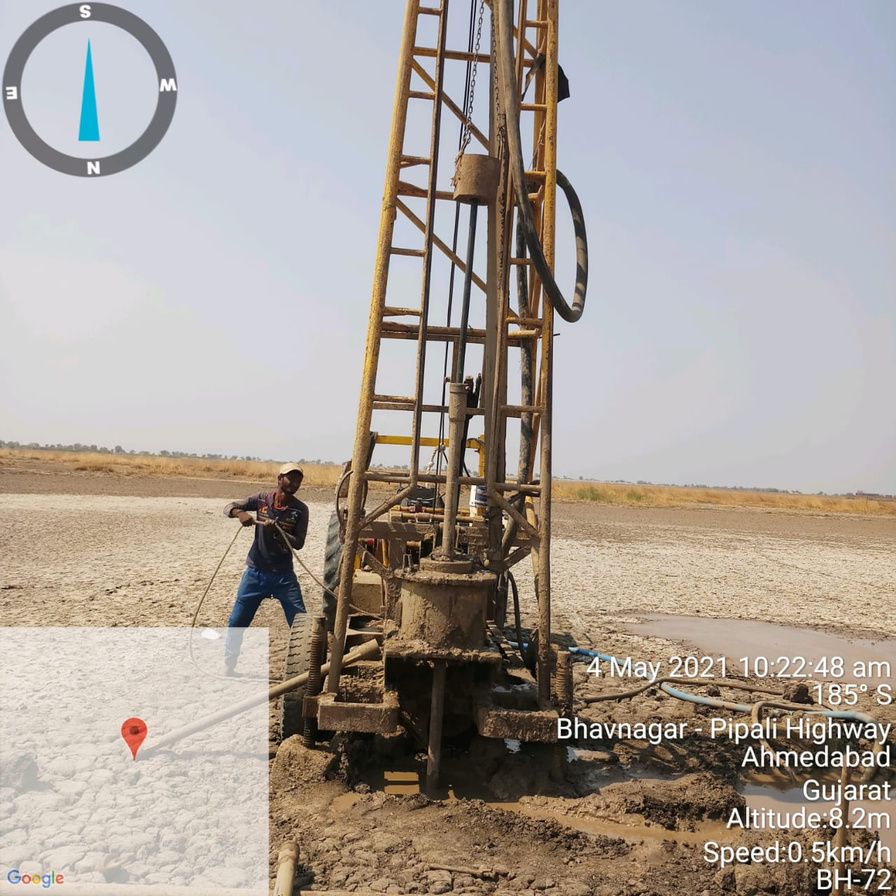
| Rotary rig | 60 to 90 m | Soil strata, moderate depths, routine investigations |
Hydraulic rigs give high torque and precise control. Compact, self-driven units move quickly between boreholes on difficult sites. Rotary rigs are heavy-duty and keep the hole vertical and stable at depth.
2. Check how samples are taken
- Auto SPT: an automatic hammer gives consistent, repeatable N values. Manual hammers vary from blow to blow.
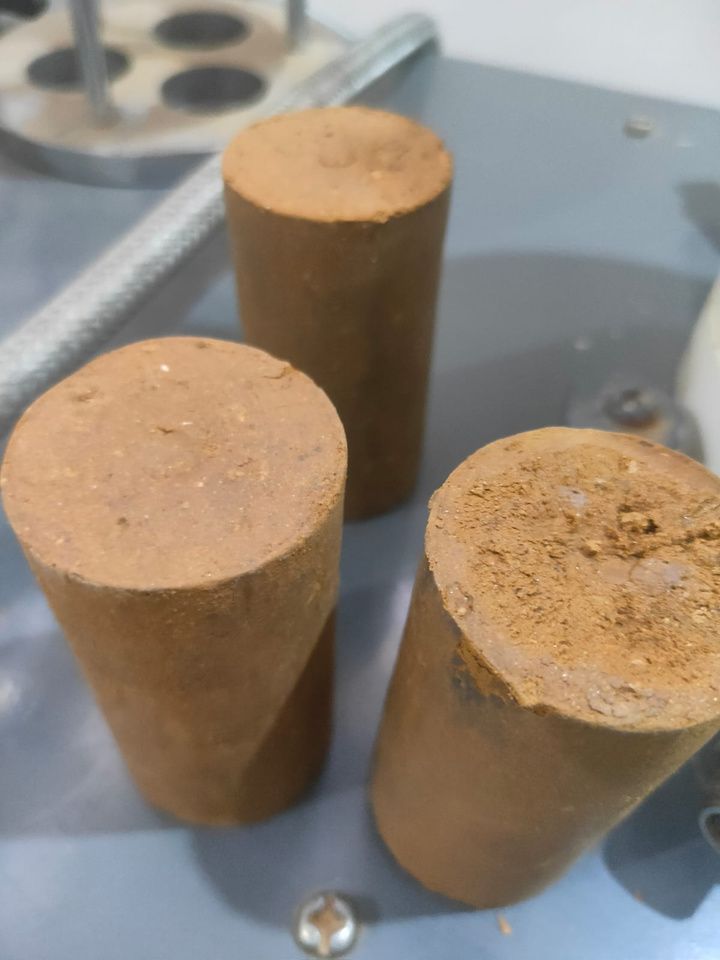
- Undisturbed samples (UDS): they must be taken, sealed and labelled properly, or laboratory strength results become meaningless.
- Rock coring: single, double and triple tube core barrels suit different rock. Triple tube recovers broken rock best.
3. Ask what you will receive
A reliable drilling contractor should give you:
- A drilling programme with rig type, depth and schedule
- Daily progress reports while drilling
- Bore logs with strata, SPT values, sample depths, groundwater level, core recovery and RQD
- Labelled soil samples and rock core boxes, ready for laboratory testing
4. Look for engineering supervision
Drilling planned and supervised by geotechnical engineers catches problems on site, such as an unexpected soft layer, and adjusts the depth or sampling then and there. That saves a repeat visit.
5. Consider speed and safety together
Faster rigs and skilled crews shorten the investigation, but only if safety and sample quality are kept at every stage.
Where we drill
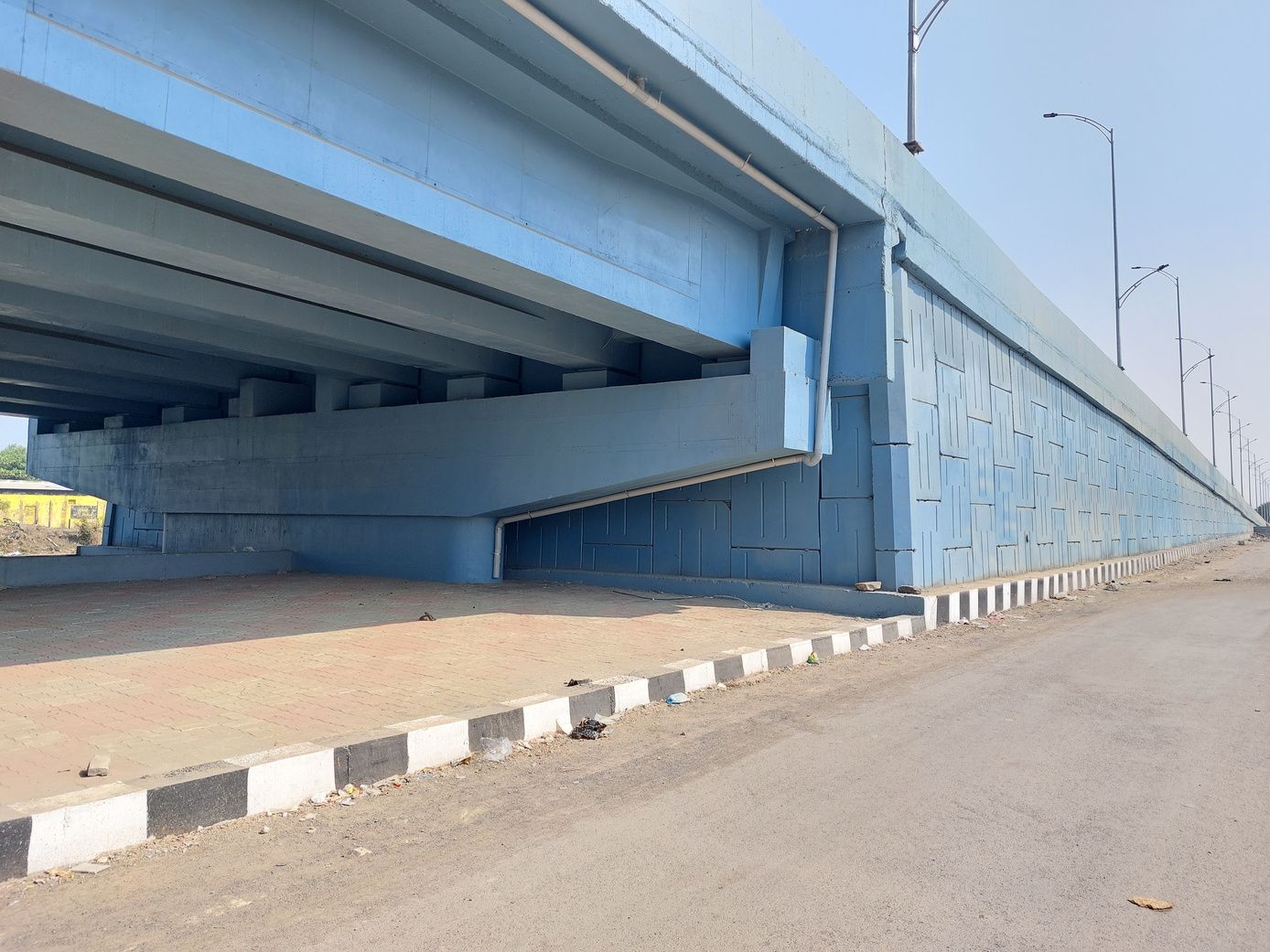
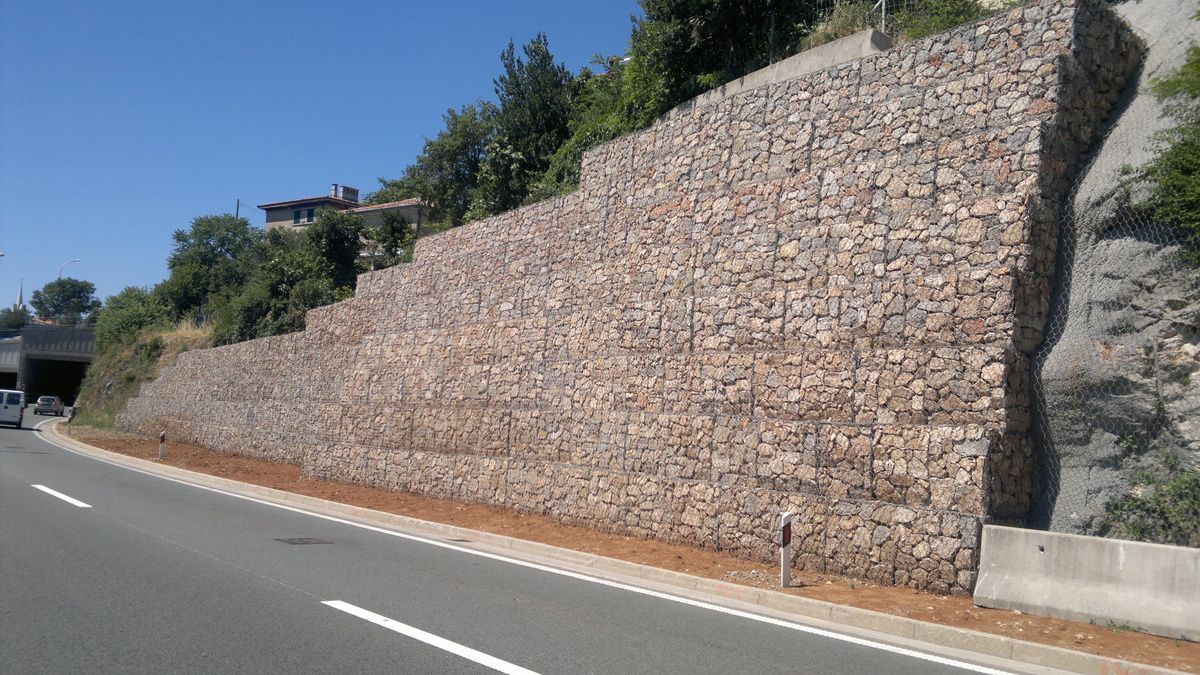
C-Phi Drilltech LLP drills for highways, bridges and flyovers, railways, airports, ports and jetties, mining exploration, industrial plants, solar and wind farms, metro and urban buildings, dams and power projects across India, including foundation investigations for RE wall / RS wall approaches. Our boreholes are planned with geotechnical engineers from C-Phi Consult, and samples go straight to our laboratory for testing.
Get a drilling programme and a quote
Tell us the number of boreholes, the depth and the site location. We'll reply with a drilling programme and a quote. Call Mr. Hardik Sheth on +91 81608 94516 or Mr. Himanshu Kotak on +91 87587 46898.
“RE wall” is a trademark of the Reinforced Earth Company. We use “RE wall / RS wall” because both terms are widely used for reinforced soil walls.